
FSD Chronicle
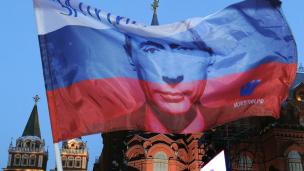
Dialogue Certainly, New Yalta Certainly Not
On the Margins of the CSIS Online Debate on Russian Influence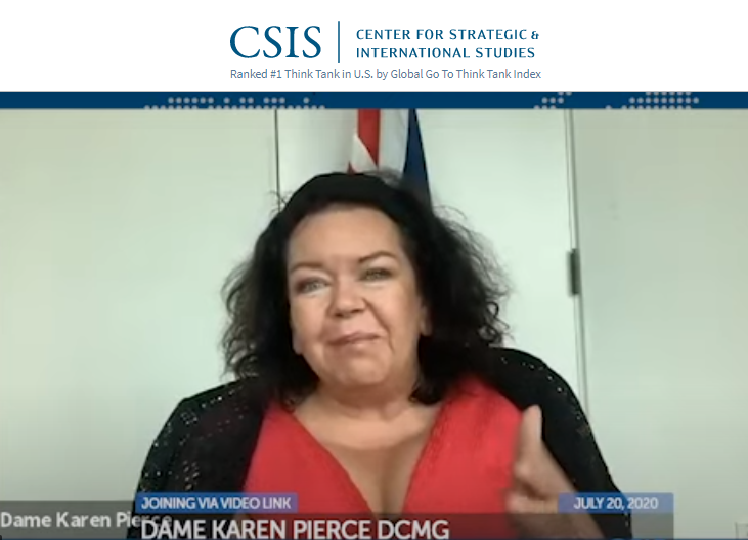
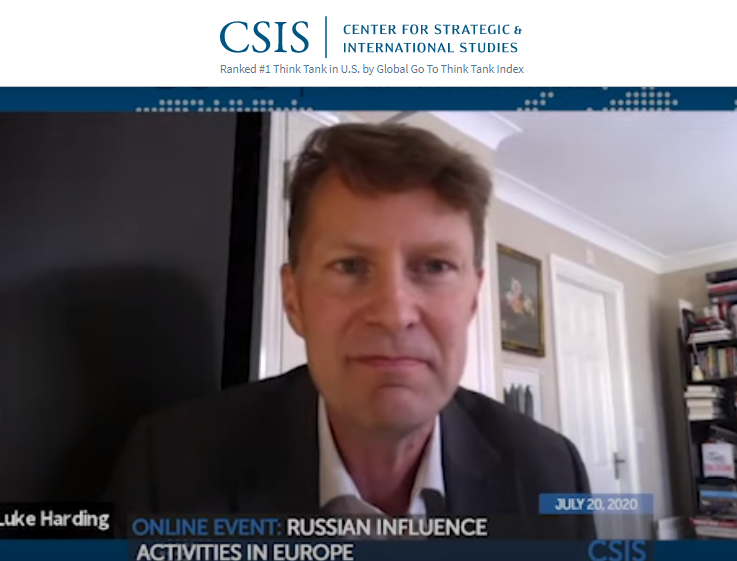
On July 20th the Center for Strategic and International Studies (CSIS) from Washington organized an online panel dedicated to the subject of the spreading of Russian influence in Europe, featuring H.E. Dame Karen Pierce DCMG, British ambassador to the United States and Luke Harding, investigative journalist and US correspondent for The Guardian. The objective of the panel was to analyze the goals and tactics behind Russia’s influence activities in Great Britain, Europe, and beyond, assess which of these activities were successful and how GB can fortify itself against these Russian efforts both at home and abroad.
Seeing how the „Online Event: Russian Influence Activities in Europe“ raised a subject of crucial importance for the understanding of political currents in Europe and around the world, especially when it comes to the Western Balkans, FSD was naturally interested in the discussion. At the conclusion of said discussion, our main takeaway was that all the discussion regarding Russian influence was remarkably Anglo-centric as it spent only the briefest time talking about those parts of Europe in which the malign influence of Russia is at it’s most intensive and most overt – namely the Western Balkans, the last big sandbox of Russian foreign policy!
This Anglo-centric approach subsequently resulted in a misunderstanding of the nature of the threat posed by Russian influence, which is not, as one might come to understand, a mere issue of „fiding a suitable forum for communicating with a typical dictator“ but rather the greatest threat to peace and unity in Europe since the raising of the Iron Curtain.
The words of H.E. Pierce that the Russians „don’t think the way we think they should think“ is particularly telling in this respect. Also, the observation of Mr. Harding that Putin is but one of many apparatchiks to ascend to the halls of power through the secret service doesn’t sufficiently depict the nature of the regime Putin has built which is, again, not a mere dictatorship, covert or overt, but rather a system that has, at the turn of the century, unshackled itself from any restraints to its totalitarian nature imposed by the old communist ideology and is now, guided only by a doctrine of power, fighting solely for supremacy among nations and authority over peoples.
Hence the expressed notion at CSIS’s panel that a dialogue with Putin’s Russia, as a partner of the West who would be able to „bear its load“, could take place within the confines of the UN Security Council is, in effect, paving the road to a „New Yalta“ which Putin has been desperately clambering for at least since the annexation of Crimea.
Conceding to such a „new Yalta“ would be especially detrimental to the Western Balkans and the attempts of the EU and NATO to complete their integration processes in that region, since such a course of events would inevitably turn potential new EU members from the WB into potential bargaining chips for the achievement of Russia’s foreign policy goals. Dialogue – certainly! A New Yalta – certainly not!
All that being said, it is important to point out that CSIS has correctly assessed the significance of this issue and express our hopes that a more in-depth and all-round discussion on this subject will follow, which will include other actors exposed to said influences; in particular civil society organizations, especially those from the Western Balkans, since it is pertinent to those countries. Maybe now more than ever.
LUKA JOVANOVIĆ, Attorney-at-law
FSD Program Director